

Maritime Safety Gap Exposed: Lessons from the Bayesian Superyacht Tragedy
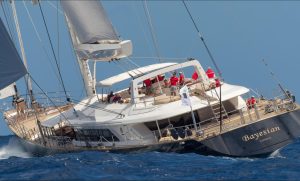
On August 21, 2024, the luxury superyacht Bayesian sank quickly off the coast of Sicily during a strong storm. The incident garnered worldwide attention due to the high-profile passengers who tragically died in the accident. This incident also brought attention to a critical issue: why does the maritime industry still rely on the constant attention of operators to prevent accidents at sea?
The investigation
The investigation is underway to determine why the superyacht sank off the coast of Sicily, killing seven on board, but one thing is for sure: human error is at the core.
Nicola Romana, an expert in transport and tourism law at the University of Palermo, stated, “In maritime accidents, there is almost always a human error at the root of it.”
This observation underscores the recreational boating industry’s continued reliance on manual operations and human judgment, even as other sectors have long embraced advanced technological solutions.
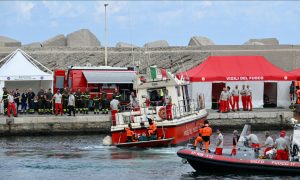
The rapid sinking of the yacht raises questions. Karsten Borner, captain of a nearby sailboat that first responded to the distress call, reported, “I have never seen a vessel of this size go down so quickly. Within a few minutes, there was nothing left.”
Technology Gap Exposed
The speed of the sinking has led investigators to scrutinize the vessel’s safety protocols and the crew’s response to the sudden emergency. While commercial shipping and aviation have long integrated advanced warning systems and autonomous safety features, many recreational vessels, even luxury yachts like the Bayesian, still heavily rely on human vigilance and manual operations.
“The tragic loss of life aboard the Bayesian must serve as a wake-up call for both the industry and the captains and boat owners seeking a luxurious care-free experience and end up facing stressful and sometimes life-threatening incidents.” stated Tal Duvdevany, WATCHIT CEO & Co-Founder. “There is a critical need for advanced maritime safety technologies in the recreational boating sector.”
As other industries have demonstrated, integrating smart, autonomous systems can significantly enhance safety and potentially prevent devastating incidents.
Industry Call to Action
The Bayesian incident has prompted calls for a reevaluation of safety standards in recreational boating. Experts suggest that the integration of advanced maritime safety systems could provide crucial support to human crew members, especially in sudden, catastrophic events where every second counts.
As investigations continue, the maritime community is left to grapple with a sobering reality: while advanced safety technologies exist in other transportation sectors, their adoption in recreational boating lags behind.
The Bayesian disaster may serve as a catalyst for change, pushing the industry towards embracing life-saving innovations and bridging the safety gap that continues to put lives at risk on the water.


