

Navigational Oversight and Crew Fatigue: Key Factors in Ocean Maid Grounding
MAIB report on Grounding and subsequent loss of stern trawler Ocean Maid
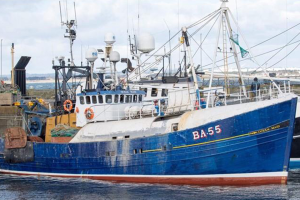
The recent Marine Accident Investigation Branch (MAIB) report on the grounding and subsequent loss of the fishing vessel Ocean Maid near Fraserburgh, Scotland, on October 24, 2022, underscores the critical importance of maintaining a vigilant watch and the potential role of technology in enhancing maritime safety.
Key Findings
The MAIB investigation revealed several factors that contributed to the incident:
- Unattended Wheelhouse: The watchkeeper left the wheelhouse multiple times before the grounding, despite this being identified as a hazard in the vessel’s risk assessment.
- Impaired Night Vision: The watchkeeper’s ability to assess external visual cues was compromised by poor visibility and exposure to internal lighting, including a television in the wheelhouse.
- Fatigue: Lack of sleep in the preceding days likely affected the watchkeeper’s performance.
- Inadequate Navigation Practices: Reliance on following past tracks displayed on a chart plotter led to a reactive and unplanned approach to navigation.

The Role of Technology in Preventing Accidents
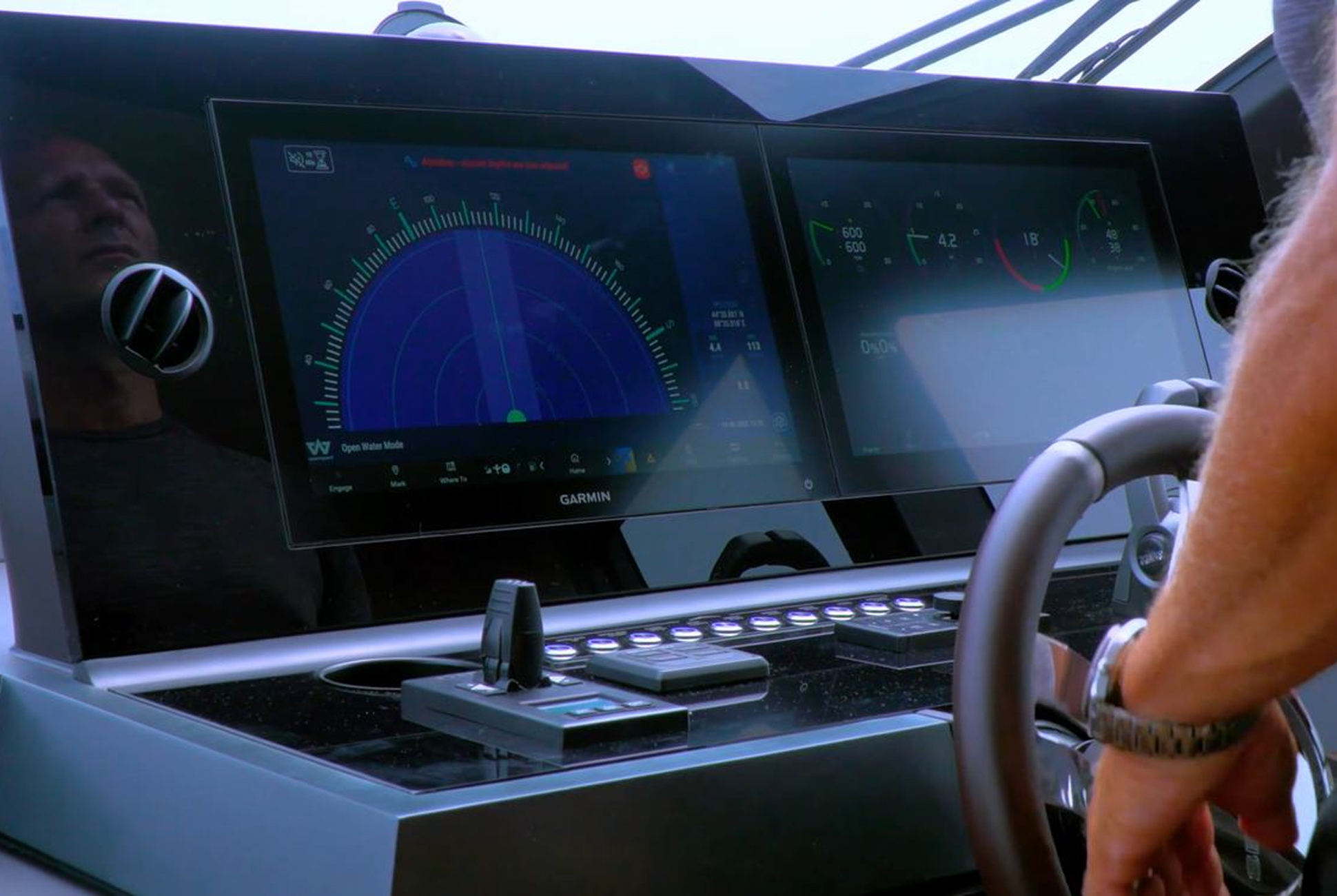
The Ocean Maid incident highlights the potential benefits of integrating advanced technology into maritime operations. Modern AI-powered systems, such as those developed by companies like WATCHIT, are designed to address many of the issues identified in the MAIB report.
These systems can:
- Maintain Constant Vigilance: Unlike human watchkeepers, tech systems do not suffer from fatigue or distractions, providing continuous monitoring of the vessel’s surroundings.
- Enhance Navigation: Advanced algorithms can analyze real-time data from various sensors, offering proactive navigation assistance and alerting crew to potential hazards.
- Mitigate Human Error: By providing timely alerts and recommendations, these systems can help compensate for lapses in human judgment or attention.

Looking Ahead
The Ocean Maid incident serves as a reminder of the ongoing challenges in maritime safety and the potential for technological solutions to address these issues.
As the industry continues to evolve, the integration of advanced safety systems may become increasingly common, potentially setting new standards for watchkeeping and navigation practices.


